Esole
Location:
Mamoiada, Sardinia
Esole is a family-run winery managed by two young siblings, Federica and Francesco Dessolis, with the support of their parents and partners.
Francesco, born in 1998, developed a deep connection to the countryside from an early age, which over time evolved into a strong passion for viticulture. Federica, born in 1995, graduated in oenology in Oristano, Sardinia, and then spent three and a half years in France. Here she gained extensive experience in the wine sector, particularly in Burgundy, having worked at domaines including Domaine de la Romanee Conti. Her vision has always been to explore and learn from different wine realities, with the goal of returning home to cultivate the land inherited from her grandfather, enriched by a broader knowledge and skill set.
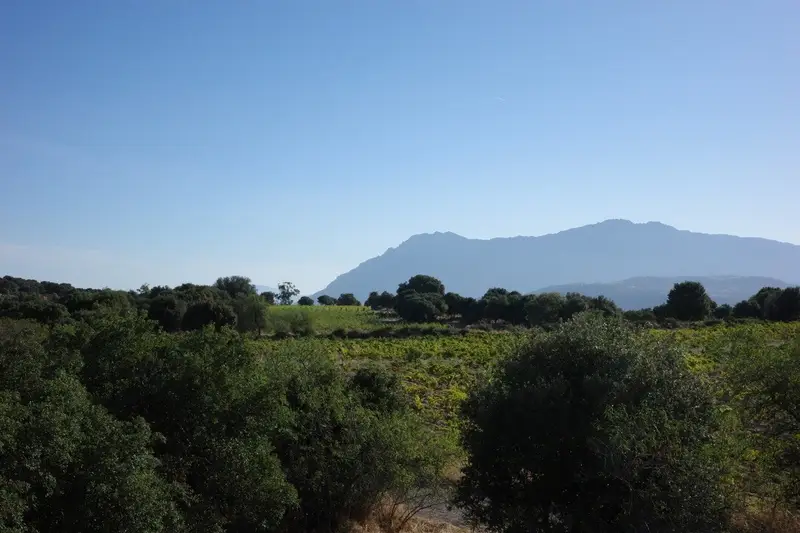
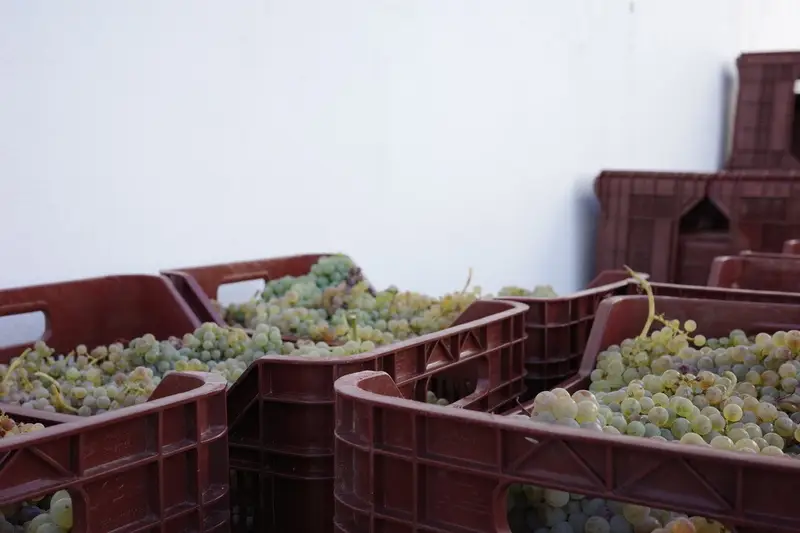
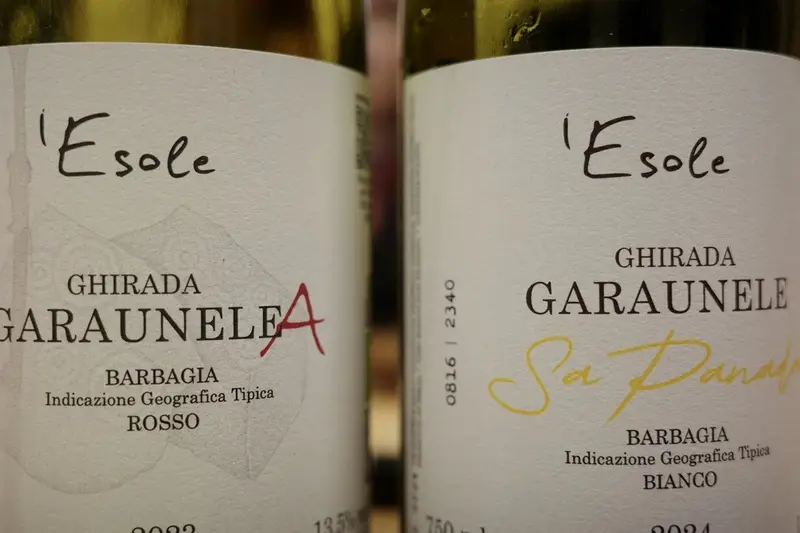
The estate comprises 2 hectares of vineyards in the northeast of Mamoiada called Garaunele — 1.5 hectares planted with Cannonau and 0.5 hectares with Granatza, a native white grape variety of the area.
The company’s philosophy is centered on enhancing the unique terroir of Mamoiada through its indigenous grape varieties; prioritizing meticulous vineyard work, and subsequently minimizing intervention in the cellar. This approach follows the principles of traditional winemaking, complemented by a touch of innovation. In newer vineyards, controlled cover cropping is being introduced, while in older plots, traditional soil management practices are maintained.
Both the vineyards and the winery are certified organic, and sustainable viticulture practices are strictly applied, including the use of low environmental impact products for plant protection treatments. Fertilization is managed through in-house compost production, using pruning residues and all by-products of the winemaking process (such as pomace and stems), which are ground, fermented with manure, and spread across the vineyards during winter.
As for the wines, the vinification process remains traditional — spontaneous fermentations and the addition of only small amounts of sulfur dioxide — while harvests are carried out earlier than in the past to produce fresher wines with lower alcohol content.